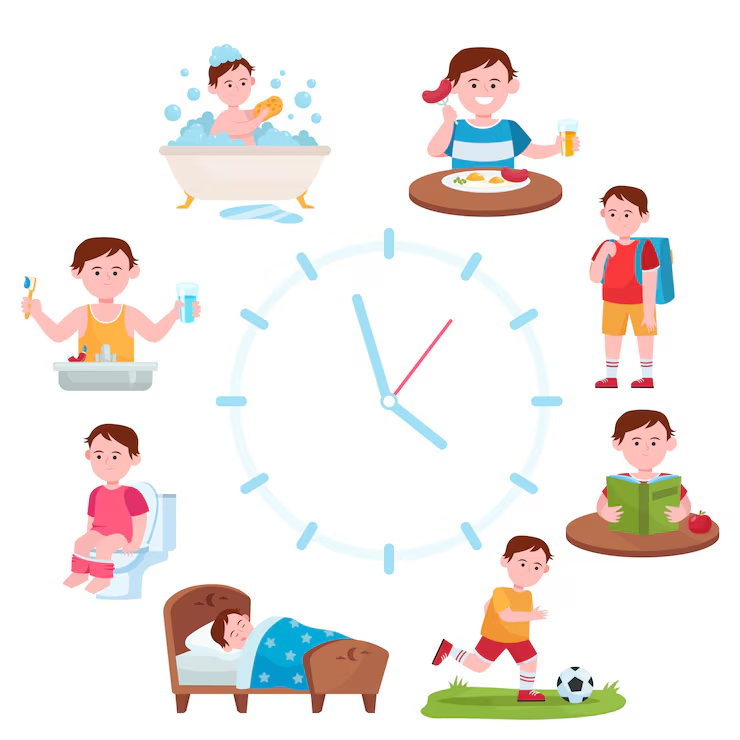
Good habits for kids are really important. Everyone says that, like parents, teachers, even relatives. But sometimes it’s not really clear what exactly is a good habit. It’s not just brushing teeth or cleaning rooms. It’s bigger than that, it’s about how kids grow, how they deal with small stuff every day, school, friends, homework, and life later, you know.
If kids start learning habits early, it becomes easier later, but teaching habits isn’t always simple. It takes patience, repetition, and mistakes, lots of mistakes actually. Kids will forget, resist, argue sometimes. And that’s okay, really. You can’t expect everything to happen perfectly at first.
Why Good Habits Are Important
Good habits help kids in many ways, really, so many ways:
-
They help build self-discipline, which is hard otherwise.
-
They improve focus and attention, because kids get used to doing things in order.
-
They teach responsibility, even with small things like cleaning their room, packing their bag, or keeping toys organized.
-
They encourage healthy choices, like eating better, sleeping on time, playing outside, and other stuff.
Kids who have good habits early usually handle schoolwork, chores, and social stuff better. But trying too much at once can be bad, kids can feel stressed, overwhelmed, or just give up. Balance is important. Small steps are better than forcing everything at once. And sometimes letting them fail a little is okay too.
How to Teach Habits
Teaching habits is not just giving instructions. It’s about showing, guiding, repeating, and yeah, reminding a lot too. Some ways that help:
-
Start Small: Don’t try to teach too many habits at the same time. Kids get confused, they really do.
-
Lead by Example: Kids notice what adults do more than what they say. If parents follow habits, kids will follow naturally.
-
Make it Fun: Turn things into small games or challenges. Kids enjoy it more. If it’s boring, they won’t stick.
-
Praise Them: A simple “good job” or small reward works better than scolding. Kids forget anyway sometimes.
Habits take time. Sometimes weeks, sometimes months. And that’s okay. Slow progress is still progress. Patience is really important. Adults need patience too, honestly.
Examples of Good Habits
Some habits that really help kids:
-
Hygiene: Brushing teeth, washing hands, bathing. Kids forget sometimes, so reminders help.
-
Healthy Eating: Eating vegetables, drinking water, avoiding too many sweets. Small changes matter, really.
-
Time Management: Doing homework before play, finishing tasks on time, planning their day.
-
Reading Daily: Even 10 minutes improves imagination, vocabulary, and focus. Really, even a little counts.
-
Kindness & Sharing: Sharing toys, helping others, saying polite words.
-
Exercise & Play: Running, playing outside, moving daily. Kids need it, otherwise they get bored or lazy.
Kids forget habits sometimes. They resist, ignore, argue, whatever. That’s normal. Repetition is key. And patience… did I say patience? Yeah, patience.
Mistakes Parents Make
Parents sometimes make teaching habits harder, even if they mean well:
-
Expecting habits too fast. Kids are not robots.
-
Punishing instead of praising. Negative pressure backfires.
-
Not showing habits themselves. Kids copy actions more than words.
-
Giving too many rules at once. Confuses kids, honestly.
Noticing these mistakes helps. Kids respond better when things are slower, repeated, simple. And it’s okay if parents forget too sometimes, it happens.
How Technology Can Help
Technology isn’t always bad. Apps, videos, games can help:
-
Track habits
-
Learn stuff, reading
-
Do daily routines
-
Exercise or play challenges
But too much screen time is bad. Tech should support habits, not replace them. Kids still need real-life practice, talking to people, guidance, and parents involved.
Making Habits Stick
To make habits stick, parents can:
-
Repeat routines consistently
-
Be patient, don’t rush
-
Celebrate small wins
-
Let kids make small choices themselves
Consistency matters more than perfection. Small steps every day are better than forcing everything at once. And kids remember small wins more than big lectures anyway.
Final Thoughts
Good habits for kids are the foundation for their future. Guidance, patience, encouragement—they all matter.
It’s not about being perfect. Kids will forget, resist, make mistakes. That’s normal. What matters is repeating, showing, celebrating. Parents and teachers who focus on small steps, repeat routines, encourage progress help kids develop habits that stay.
Habits aren’t instant. They are slow. Slow is okay. Slow is how kids learn, remember, actually use them. And honestly, sometimes parents forget too, so it’s okay to go slow together. Laugh at mistakes, it helps. And yeah, that’s part of learning, for both kids and adults.