An office refurbishment is often triggered by a visible issue: worn finishes, a lease event, a growing team or a need to bring the brand up to date. Those are valid reasons to act, but the most valuable part of the process lies beneath the surface. It is an opportunity to reconsider whether the existing space still matches the way the organisation actually works.
Many workplaces carry the assumptions of an earlier period. Meeting rooms may be oversized for current usage, desks may be allocated to people who are rarely in the office, and valuable areas near natural light may be underused. At the same time, staff may struggle to find a quiet place for calls or a suitable setting for a short team discussion. A refurbishment can correct these mismatches by looking closely at patterns of use before making aesthetic decisions.
That early diagnosis is particularly important when budgets are limited. Not every project needs extensive structural work. Sometimes the greatest impact comes from redistributing settings, improving lighting, updating meeting technology or creating a better balance between focused and collaborative spaces. A clear brief helps distinguish changes that will genuinely improve the working day from additions that simply make the office look new for a short time.
The best refurbishments also respect the practical realities of a live business. Phasing, temporary working arrangements, procurement schedules and building constraints all need to be considered alongside the design. A thoughtful design-and-build partner can coordinate those factors early, helping the project move from concept to completion with fewer surprises. It also makes it easier to protect the details that matter most to the final experience, from joinery quality to the placement of power and data points.
Sustainability can sit naturally within this approach. Retaining useful elements, choosing durable materials and avoiding unnecessary replacement can reduce waste while preserving budget for areas where investment will make a clearer difference. A workplace does not need to be stripped back to the shell to feel renewed. It needs a considered sequence of decisions about what to keep, what to improve and what to change completely.
There is a longer-term benefit too. When a refurbishment is planned around genuine work patterns, it is more likely to remain useful as teams adapt. Flexible rooms, movable furniture and balanced zoning create capacity for change without making the space feel unfinished. The office becomes an asset that can support future growth, rather than a fixed statement about how the business worked at one particular moment.
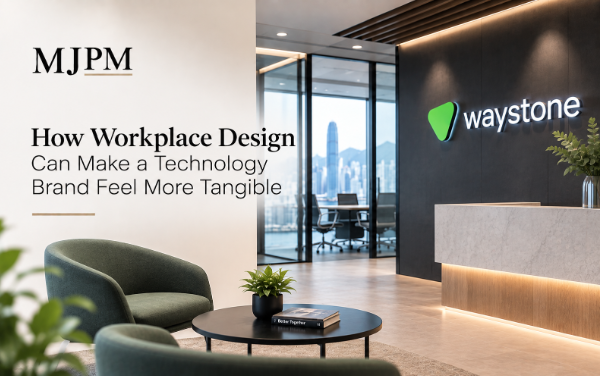
MJPM works with organisations looking to turn these opportunities into practical, well-resolved workplaces. Its team combines workplace planning, interior design and delivery coordination to create environments that perform beyond the handover date. Visit MJPM to explore its office design expertise, and see the Waystone Hong Kong project for an example of how a completed workplace can bring together professional character, functionality and a refined material palette.