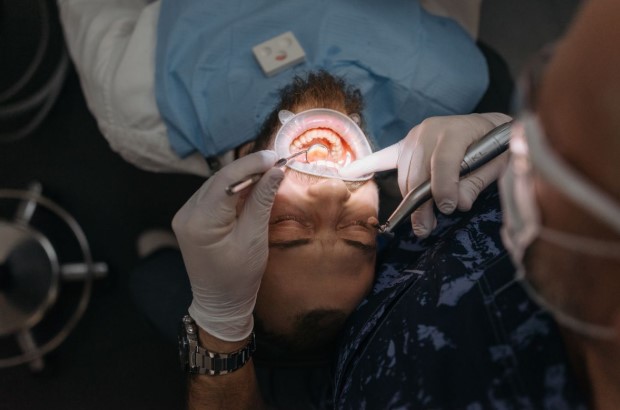
Traditional cleaning, fillings, and simple remedial procedures are no longer the only aspects of dental care. Innovative dental solutions are changing people’s experiences with and perceptions of oral care, in addition to how treatments are carried out. Dentistry is now more accurate, comfortable, and aesthetically focused than ever, thanks to developments in technology, materials, and treatment techniques. Improving a grin, therefore, involves more than just function; it also involves attractiveness, confidence, and long-term dental health. Dentists are able to provide more natural-looking results, quicker results, and highly customized treatments that meet the needs of each patient thanks to modern advances.
Improved Precision and Digital Dentistry
The development of digital technology is one of the most significant advancements in contemporary dentistry. Dentists can now work with extremely realistic representations of a patient’s mouth due to the replacement of many conventional techniques by digital scanning, imaging, and modeling. Uncomfortable physical impressions are no longer necessary thanks to intraoral scanners, which produce detailed 3D images. This lowers the margin of error in diagnostic and treatment planning while simultaneously enhancing patient comfort. Additionally, digital operations enable quicker turnaround times for aligners, bridges, and crowns. Improved long-term outcomes and healthier smiles can arise from dental practitioners designing treatments that fit more precisely and work better, thanks to increased precision.
Smile Transformation and Cosmetic Dentistry
Smile alteration is now more accessible and personalized because of innovative dental technologies that have greatly revolutionized cosmetic dentistry. Teeth whitening, veneers, and composite bonding are examples of more sophisticated procedures that result in natural-looking teeth with little modification. Restorations can blend in effortlessly since contemporary materials used by a professional dental laboratory that prioritizes patients replicate the translucency and feel of genuine enamel. In order to make sure that expectations match results, digital smile design technology also allows patients to see their results prior to starting treatment. Because of this degree of personalization, cosmetic dentistry has evolved from a high-end procedure to a generally accessible means of boosting self-esteem and confidence.
Pain-Reduction and Minimally Invasive Therapies
The creation of minimally invasive procedures that put patient comfort and the preservation of natural tooth structure first is another significant achievement in dentistry. Advanced anesthetic techniques, air abrasion, and laser dentistry have all greatly decreased the discomfort of dental operations. With the use of these technologies, dentists may precisely target problem areas while causing the least amount of harm to nearby healthy tissue. Patients consequently have quicker recovery times, less discomfort, and less bleeding. Procedures that used to need a lot of drilling or surgery can now be finished much more quickly and with far less stress. This change has encouraged more people to get regular dental treatment and helped lessen dental anxiety.
Innovation in Orthodontics and Clear Alignment Systems
Innovative dental solutions have also transformed orthodontic therapy, especially with the advent of transparent aligner systems. These transparent aligners are more comfortable for daily usage, inconspicuous, and detachable than standard metal braces. They are created utilizing computer modeling and digital scanning, which enable extremely precise tooth movement predictions. Patients are more motivated and engaged when they can see their complete course of treatment before it starts. More effective treatment schedules and fewer in-office adjustments are also made possible by developments in orthodontic software. These developments have increased the attraction of teeth straightening for both adults and teenagers, resulting in smiles that are healthier and more self-assured for a larger audience.
Future-oriented and Regenerative Dental Technologies
Regenerative methods and state-of-the-art technologies that seek to repair natural dental components rather than merely replace them are shaping the future of dentistry. New avenues for gum repair and tooth regeneration are being made possible by research in tissue engineering, bioactive materials, and stem cell therapy. In the meantime, predicted treatment planning and increased diagnostic accuracy are made possible by developments in artificial intelligence. Dental scans can be analyzed by AI techniques to find early indicators of disease or decay that would not be apparent to the human eye. These advancements are driving dentistry toward a more proactive and individualized style of care that puts long-term oral health first, especially when combined with robotic-assisted procedures and smart dental devices.
These developments boost patient satisfaction and confidence in addition to improving therapeutic outcomes. Dentistry will become even more individualized and predictive as research advances, emphasizing natural restoration and prevention. In the end, the future of dental treatment will revolve around fusing knowledge and technology to create lifelong, healthier, and more attractive smiles.